Ploughing full steam ahead and investing all my available cash into equities would not be a wise decision for many reasons. I don’t yet have a sufficiently strong skillset to identify potentially great companies that I can invest in with confidence and conviction.
At this time I very much have Warren Buffett’s two rules of investing at the forefront of my mind:
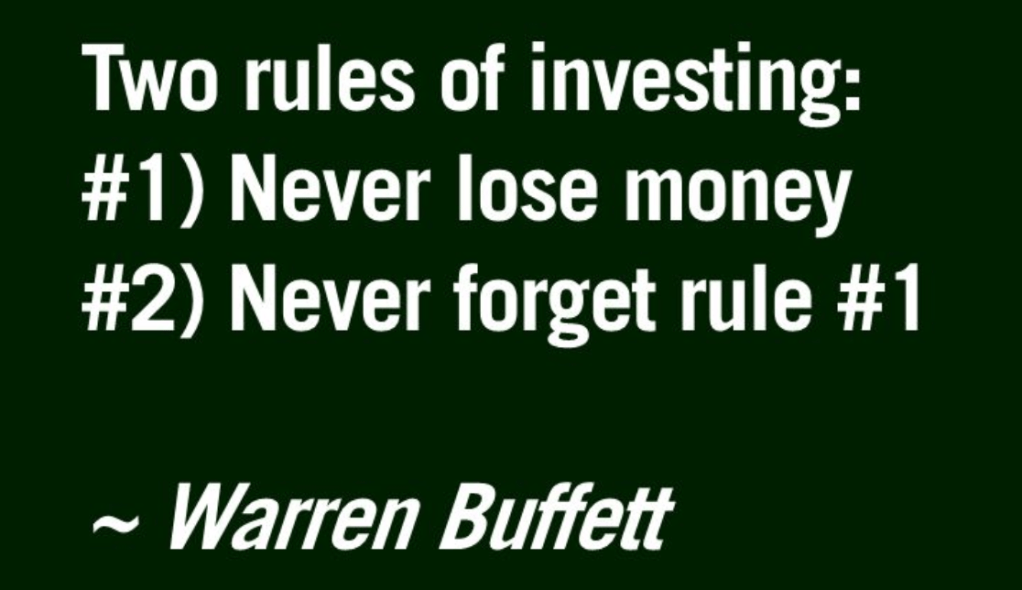
This journey is about becoming the best investor I can be. It is not about placing uninformed speculative bets. There is no immediate need for me to focus on a small basket of carefully (or not so carefully at this stage) curated stocks when I can instead own markets and achieve diversification via the plethora of funds available to investors. Investing in funds that track markets provides me the opportunity to participate in the market in a low cost and diversified manner while I develop my ability to identify companies with the ability to deliver market beating returns over the long-term.
Before I start buying individual stocks I will want to implement clearly defined principles that will help me allocate my earnings in a risk appropriate and tax efficient manner, automate decision making and maximise my invested capital.
I have a young family, so I need to find a balance between having sufficient money on hand to meet family expenditure (routine and unexpected), pay for experiences that create long-lasting and meaningful memories, and maximising the capital I invest for the future. The latter point is important as the more I can invest earlier in this journey the more time there is for compounding to work its magic!
My initial principles are as follows:
- Carry as little debt as possible.
- Prioritise tax efficient investment options such as pension and ISA contributions.
- Set a monthly investment goal that rises in line with any increments in earnings.
The rationale underpinning these principles is:
- Levels of debt seem to map to levels of stress. At least that is the way I feel. Having low debt makes me feel more financially secure and free, which is extremely valuable yet impossible to put a price on. There is also the added benefit of providing more funds to invest. I want to increase my assets, not my liabilities.
- Investing in a pension plan is tax efficient in the UK and forces the long-term deployment of capital in the market as the funds cannot be accessed until later in life. Investing via an ISA reduces the tax burden on my portfolio.
- Having my investment commitments at least rising with my earnings allows me to incrementally increase my contributions without feeling a hit to my wider finance budget. For example, if today I invest £100 per calendar month (PCM) and my earnings rise by 3%, I will increase my monthly investing value to £103PCM. This might seem like a small increment, but it will compound over time.
Adhering to the principles above should provide me with the greatest chance of successfully balancing my goals of providing a great life for my family, having sufficient funds on hand to meet life’s unexpected challenges, and to maximise my participation (and hopefully earnings) in the market.
My key takeaways from this month:
- Principles automate decision making and increase the possibility of adherence to the process.
- It’s about placing the right bet at the right time. Slow is steady and steady is fast.
- Getting started is the battle. The journey is the fun part.
Thanks for reading! I’ll be back with my next full article by 28 February, and hopefully a lot sooner. Over the next month I’ll be dedicating my time to thinking about the types of companies I want to invest in and the tools I’ll use to appraise opportunities.
P.S. – I’m really pleased that I completed my first full post almost 2 weeks ahead of schedule! Writing is hard, but super enjoyable and rewarding.



 A Man's Search for Value
Leave a comment